 Palmeiras Hub
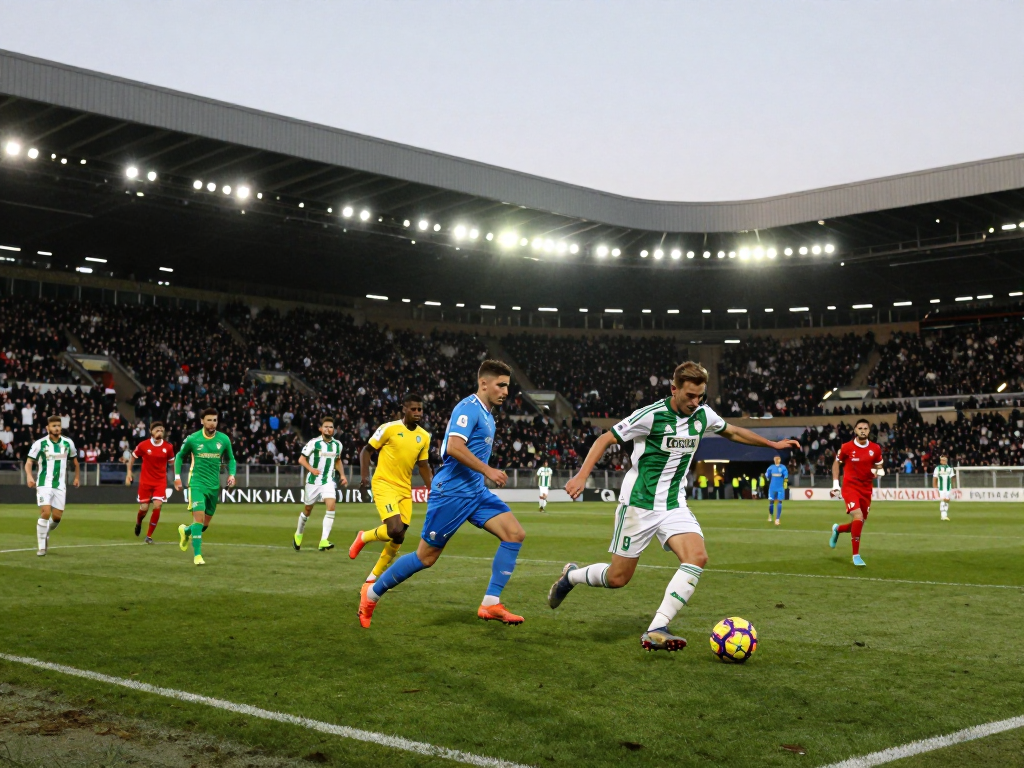
In 1972, Palmeiras was undergoing a moment of transition and renewal. Under the management of coach Jorge Aguas, the team began to adopt a more offensive and dynamic style of play, which would prove crucial for the success that lay ahead. This was the year that Verdão clinched the title of the Brazilian Championship, a feat that solidified its position as one of the powerhouses of national football.
Palmeiras' campaign in the championship was historic. With players like Leivinha, César, and Nei, the team showcased captivating football that enthralled fans. The attack, known for its fluidity and creativity, turned matches into true spectacles. Victories over rivals, especially Corinthians, became even more memorable, establishing Verdão's dominance in both the Paulista and national scenarios.
The title of 1972 was more than just a trophy; it was an affirmation of Palmeiras' identity as a club that values the tradition of winning. The team not only conquered the championship but also redefined what it meant to be Verdão. Fans took pride in the style of play, which combined refined technique and grit, a mix that would become synonymous with the Palmeiras brand.
Moreover, Palmeiras' participation in the 1972 Copa Libertadores was a milestone. The experience gained from international competition helped shape the team for future challenges, including the conquest of the Libertadores title in 1999, which became one of the club's greatest prides. The foundation laid in 1972 was crucial for the club's growth in the following decades.
Today, as we reminisce about the year 1972, it is impossible not to feel a wave of nostalgia and pride. The revolution that began that year planted the seeds for what would become one of Brazil's most successful clubs. The legacy left by that team continues to inspire new generations of players and fans, keeping the flame of Verdão alive in the hearts of all palmeirenses.